At a glance
- 3 matching treatments
- Usually 3–6 sessions, depending on skin
- For blemished, acne-prone skin
What is pigmentation?
Pigmentation marks are skin areas where melanin has built up unevenly. They appear as sun spots, age spots, melasma, or post-inflammatory hyperpigmentation (PIH) after acne or skin injury (American Academy of Dermatology — AAD).
Pigmentation rarely poses a medical issue — but it changes how your skin is perceived. An uneven complexion makes the face look more tired and older than it actually is.
Causes
Three main causes drive pigmentation:
UV exposure is the most common. Years of sun deposit melanin in specific spots — the typical sun spots on the face, décolletage, and hands.
Hormones trigger melasma, often during pregnancy, with hormonal contraception, or through hormonal shifts. Melasma is symmetric and sits deeper in the skin, making it more stubborn (Mayo Clinic — Melasma).
Skin irritation leaves post-inflammatory marks — after acne, injuries, or aggressive peels. Especially pronounced on darker skin types (Fitzpatrick III–VI) (NIH / National Library of Medicine).
Treatments at Sahel Beauty
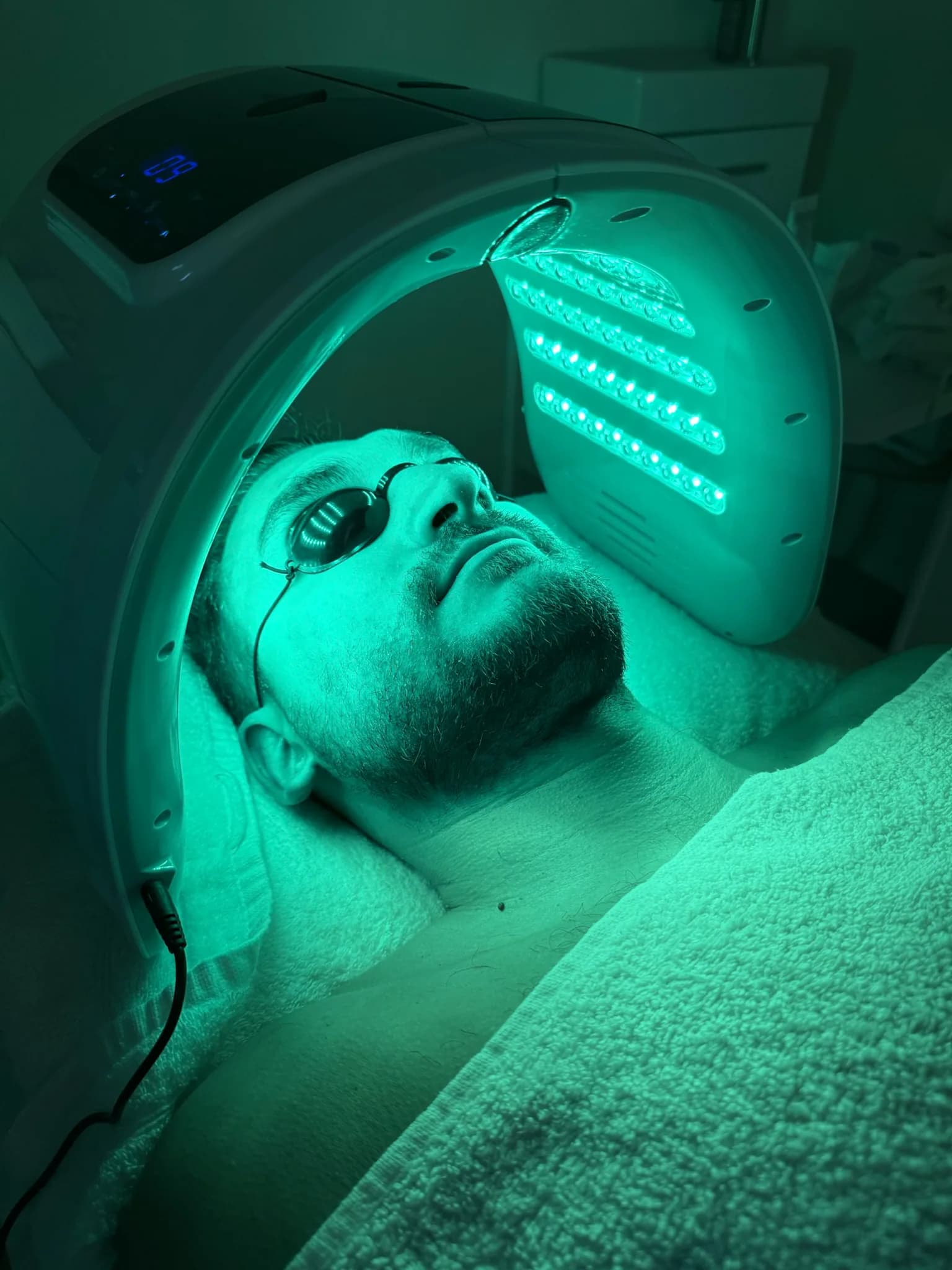
Brightening Care combines brightening actives with gentle exfoliation and calming masks. Right after the session your skin looks fresher; a 3–6 session series delivers visibly even tone.
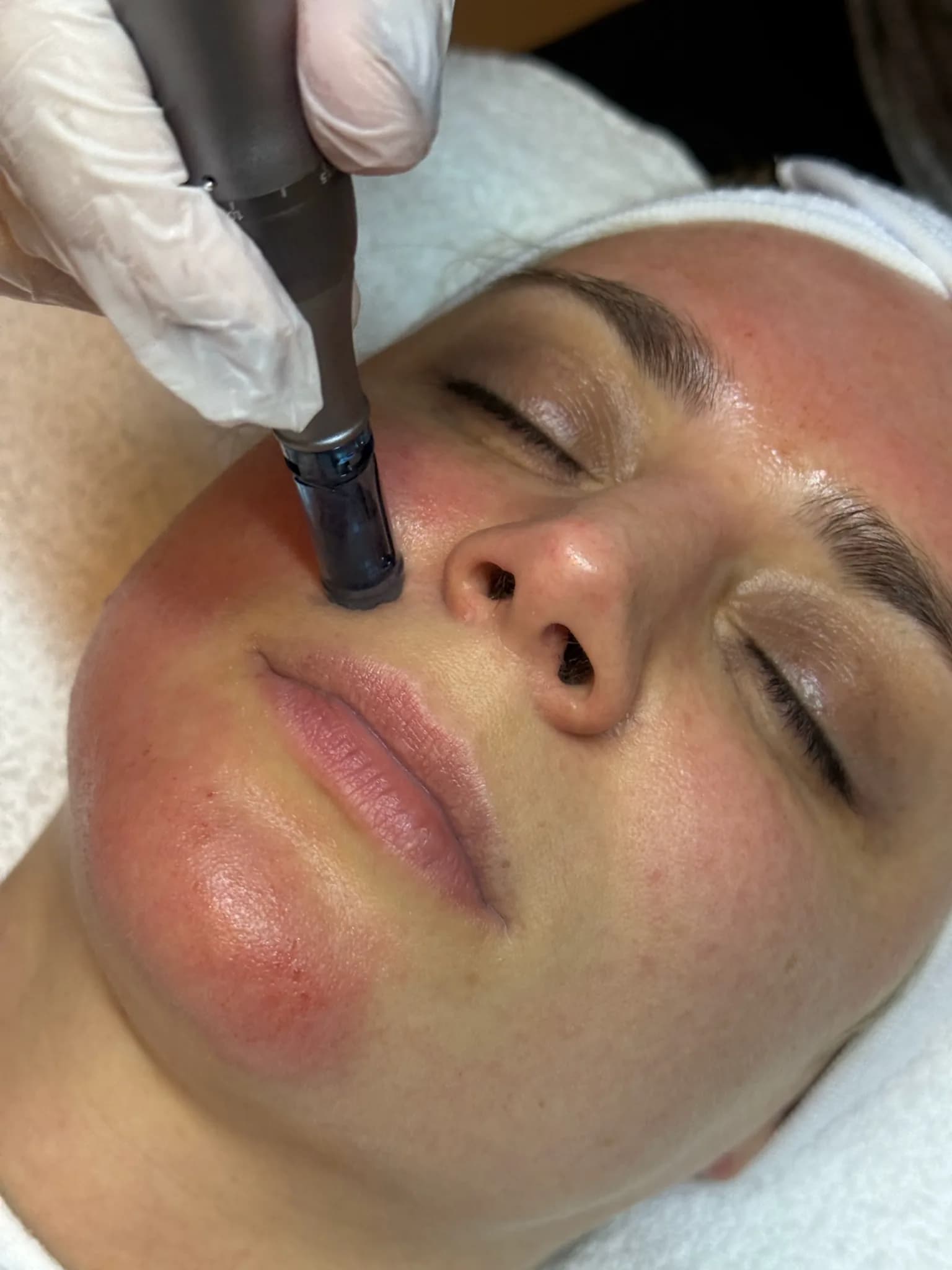
Bright Face Microneedling goes deeper. Fine needles open pathways for brightening actives and stimulate skin renewal at the same time. Especially effective on stubborn pigmentation.
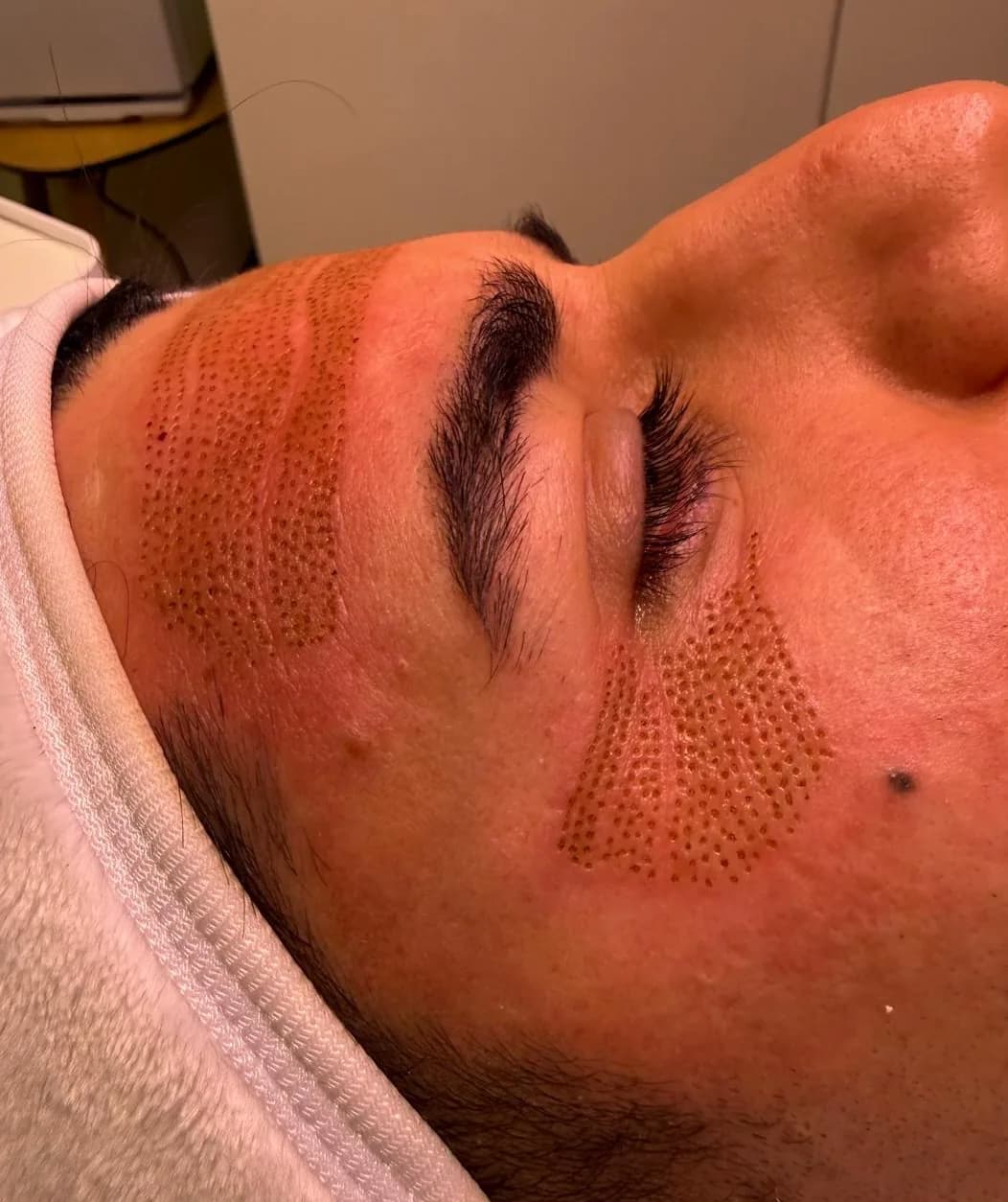
Plasma Pen treats individual, clearly defined pigment spots one by one. Useful when Brightening Care isn't enough or a spot is particularly dark.
What to expect
Right after the first session your skin looks visibly fresher. Pigmentation usually fades step by step over multiple sessions — how many you need depends on depth, cause, and skin type. We discuss this honestly in your first skin analysis.
At-home care
- Apply daily SPF 30–50, even in winter
- Avoid squeezing or picking — irritation can trigger new pigmentation
- Vitamin C and niacinamide in the morning, retinol at night (after consultation)
- Skip aggressive peels without professional guidance
Medical sources: American Academy of Dermatology · Mayo Clinic · NIH National Library of Medicine. This content does not replace medical advice — for medical skin issues, please consult a dermatologist.
This information does not replace a medical diagnosis.