At a glance
- 2 matching treatments
- Usually 3–6 sessions, depending on skin
- For blemished, acne-prone skin
What sensitive skin means
Sensitive skin reacts quickly to actives, climate, or mechanical irritation with redness, burning, or itching. The skin barrier is thinner and more permeable than normal skin (American Academy of Dermatology — Sensitive Skin). It's not a skin type like dry or oily — it's a condition. With the right care it's well manageable.
Couperose and rosacea-prone tendencies often come with it, but they're medical diagnoses we account for before any treatment (National Rosacea Society).
What irritates sensitive skin?
Actives like retinol, AHAs/BHAs in too-high concentrations. Fragrance and essential oils can also trigger.
Mechanical irritation — aggressive peels, rough towels, water that's too hot.
Climate and stress — temperature shifts, heating, skincare mistakes from stress or lack of sleep.
Wrong product order — too many actives at once overwhelm a thin barrier.
Treatments at Sahel Beauty
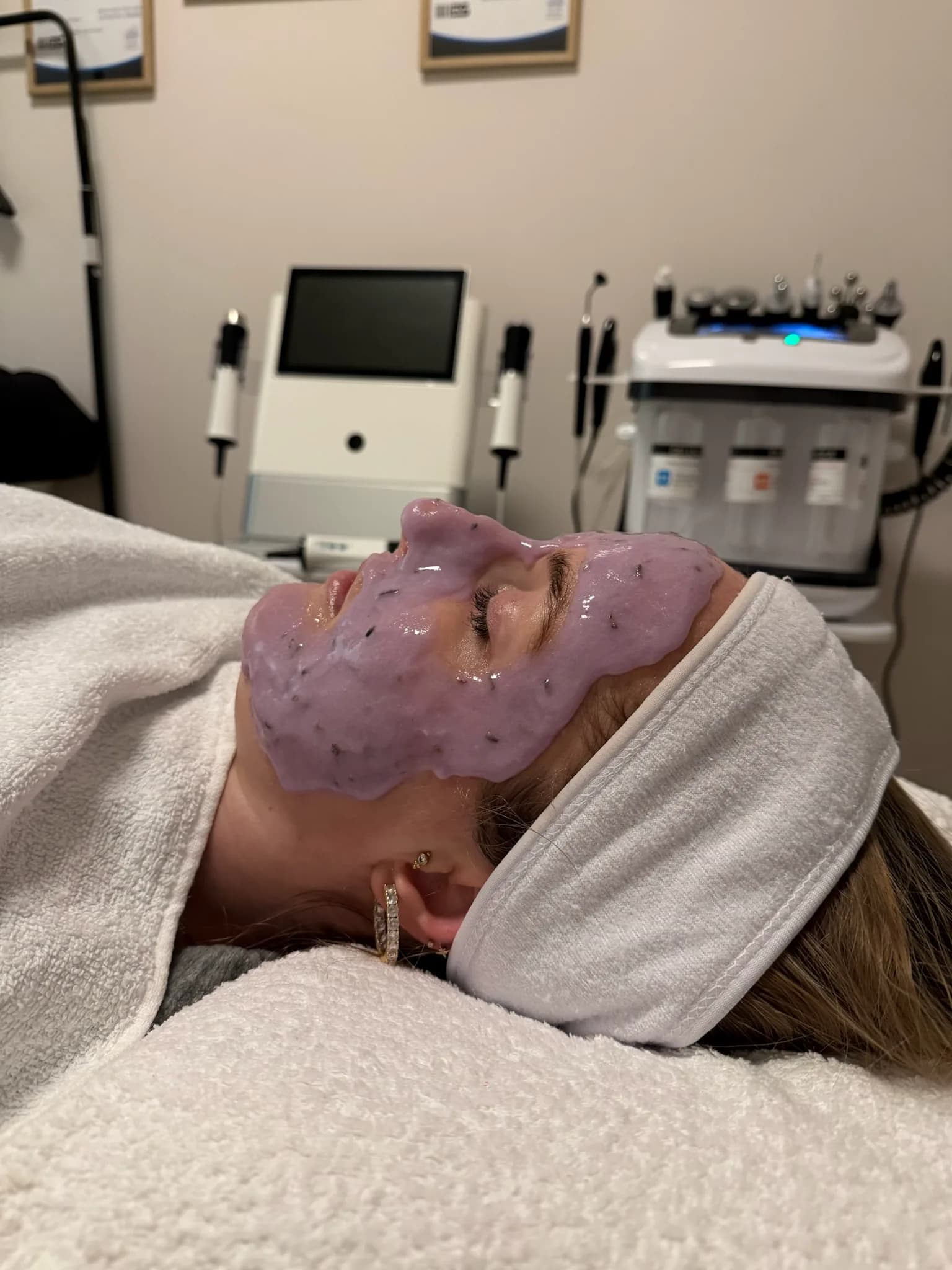
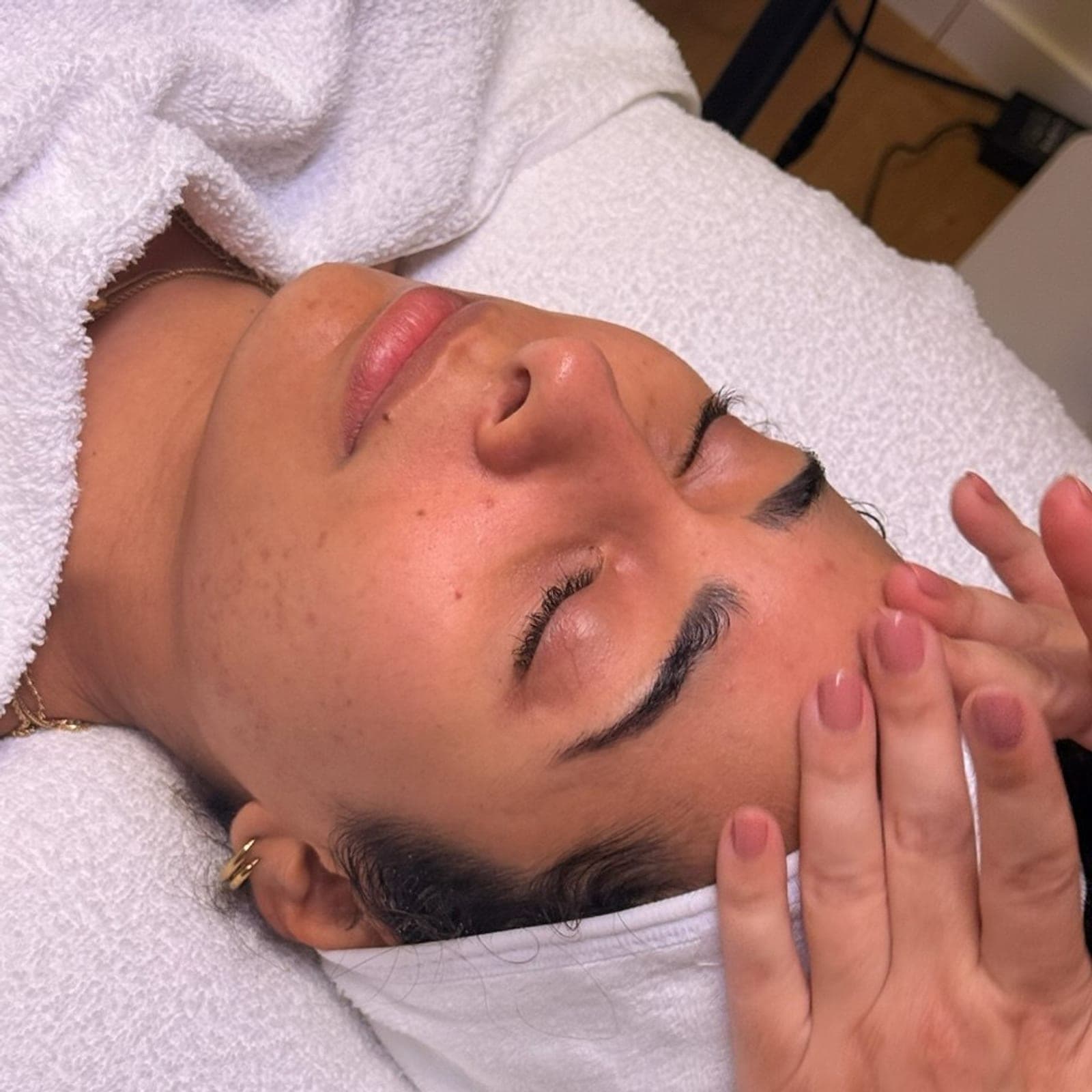
Basic Facial is the right choice when your skin needs care but reacts badly to actives. We cleanse, calm, and moisturise — no mechanical exfoliation, no acids — so your barrier stays protected.
For an extra hydration boost we recommend HydroBoost — our aquafacial that deeply hydrates without stressing the barrier, ideal as a complement to Basic Facial.
For couperose we run a short skin analysis first to set the right intensity. We skip mechanical irritation entirely.
What to expect
Right after the session acute redness is visibly reduced. With regular treatments every 4–6 weeks, your skin barrier becomes more stable — skin reacts less to everyday triggers over time.
At-home care
- Less is more — one gentle cleanser, one calming serum, one rich cream
- Avoid actives without breaks — retinol and acids only on recommendation
- Niacinamide and panthenol strengthen the skin barrier
- Daily sunscreen — UV is one of the biggest triggers for flare-ups
- During acute flare-ups: cool pack, skip makeup, rest
Medical sources: American Academy of Dermatology · National Rosacea Society. For diagnosed rosacea or persistent skin issues, please consult a dermatologist.
This information does not replace a medical diagnosis.