At a glance
- 2 matching treatments
- Usually 3–6 sessions, depending on skin
- For blemished, acne-prone skin
What is acne?
Acne is an inflammation of the oil glands. When pores clog and bacteria — primarily Cutibacterium acnes — multiply, blackheads, pimples, and in severe cases painful nodules form under the skin. Acne can affect anyone — teens, adults, all genders (American Academy of Dermatology).
Important to know: acne isn't caused by poor hygiene, and over-aggressive cleansing usually makes it worse. The right care is gentle and targeted.
Common causes
Hormonal shifts are cause number one — in teens, before menstruation, during pregnancy, with hormonal contraception. Adult women are particularly often affected (NIH / National Library of Medicine — Acne).
Sebum overproduction clogs pores. Genetics, stress, and the wrong skincare play a role.
Bacteria — especially Cutibacterium acnes — multiply in clogged pores and trigger inflammation.
Lifestyle — stress, lack of sleep, high-glycemic diet can worsen acne, but are rarely the sole cause.
Treatments at Sahel Beauty
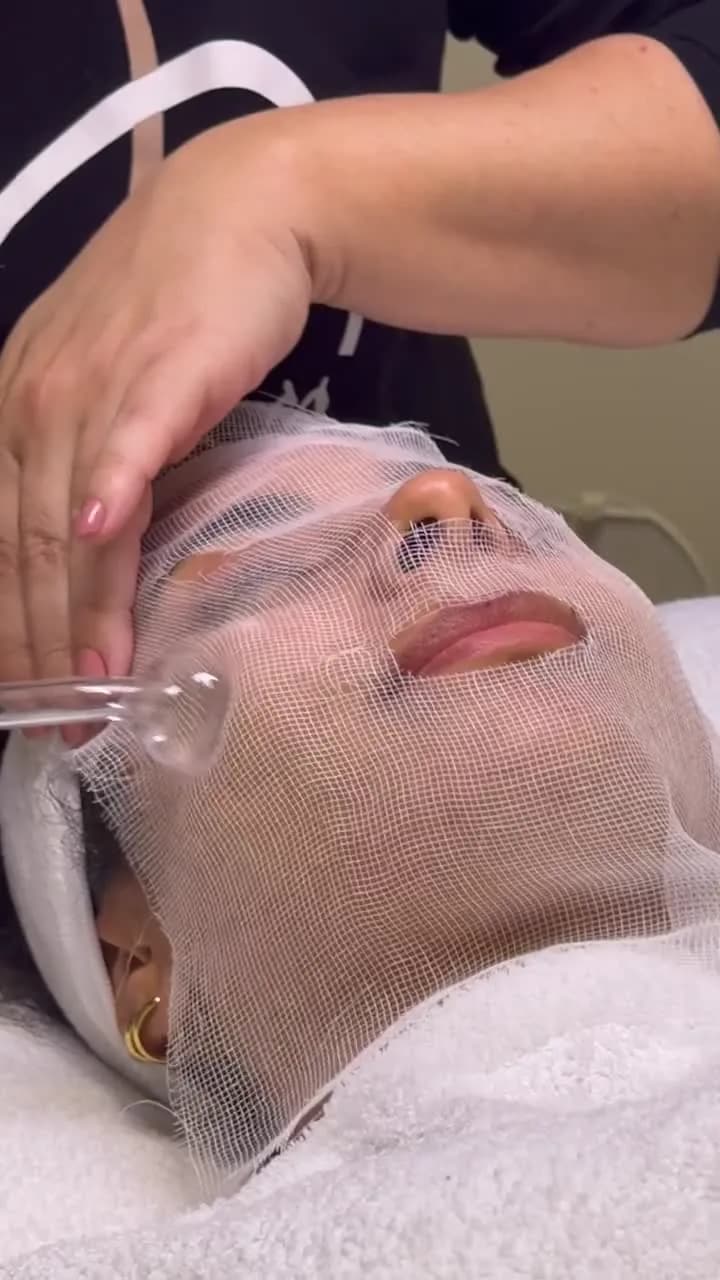
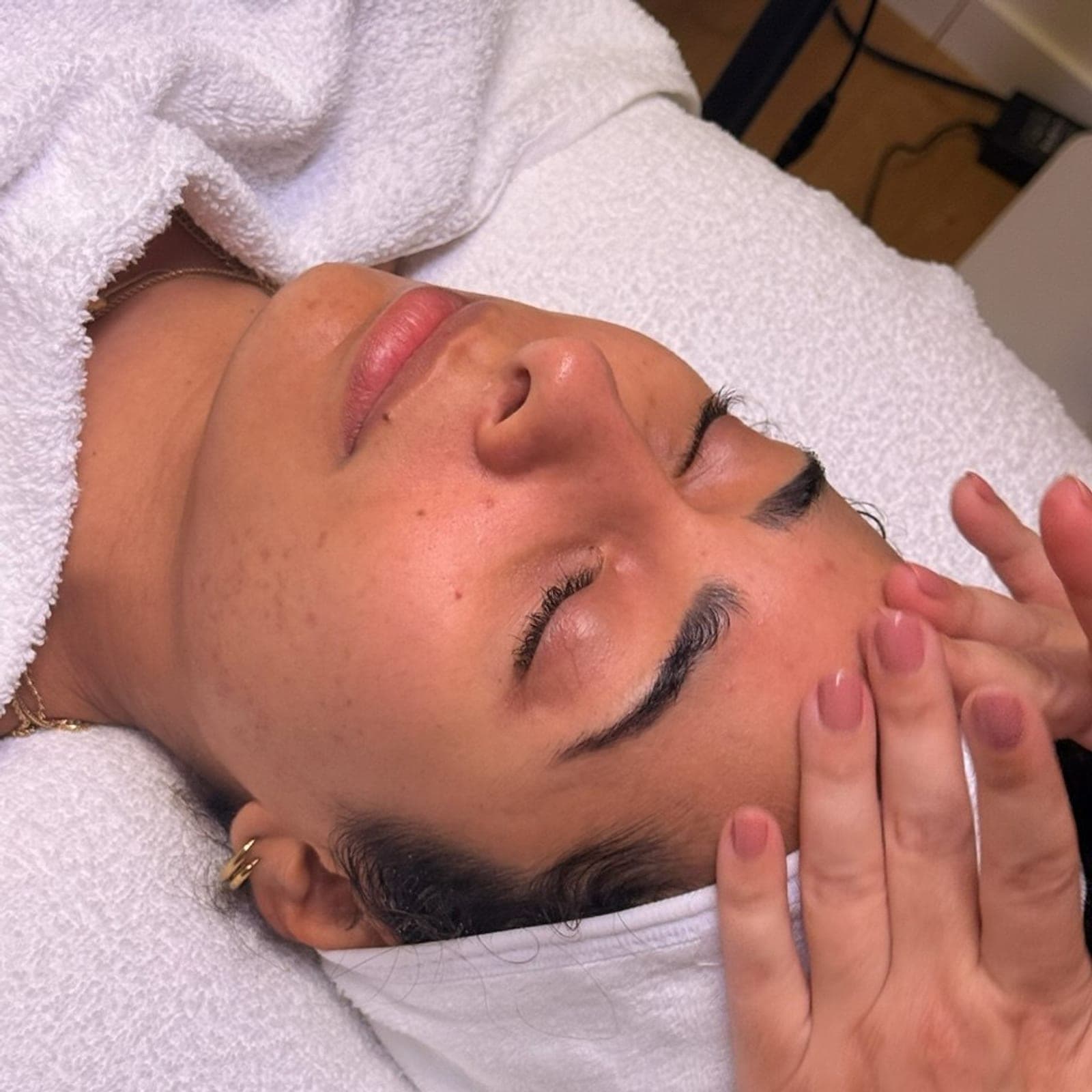
Detox Purifying is our specialty treatment for blemished and inflamed skin. We combine professional deep cleansing with calming, antibacterial actives. Blackheads are removed selectively without weakening the skin barrier.
HydroBoost complements Detox Purifying when your barrier is compromised from years of "acne skincare" — deep hydration and calming as an interim step before detox treatments make sense again.
For acne scars we combine microneedling (Bright Face) with the detox cleanse. Active acne and scars need different actives — we discuss this in a personal skin analysis.
What to expect
After the first session your skin looks visibly clearer and calmer. A 6–8 week series significantly reduces new breakouts. Important: acne is usually a chronic condition — not a one-off problem. Regular treatments keep skin stable.
At-home care
- Gentle cleansing morning and night — no aggressive foams
- Niacinamide for sebum regulation
- Salicylic acid (BHA) spot-treated on inflamed areas
- Daily sunscreen — even with acne, prefer non-comedogenic formulas
- Don't pop pimples yourself — it leaves scars and pigmentation
When to see a dermatologist
For moderate to severe acne (large inflamed nodules, scarring, significant distress), seeing a dermatologist matters. Prescription therapies like isotretinoin, hormonal treatments, or topical retinoids complement cosmetic treatments well.
Medical sources: American Academy of Dermatology · NIH National Library of Medicine · German DDG Acne Guideline (S2k). This content does not replace medical advice. For moderate to severe acne, please consult a dermatologist.
This information does not replace a medical diagnosis.