Acne27 April 2026
Adult Acne Frankfurt: When Cleansing Isn't Enough
Breaking out at 25, 30 or 40+? Why aggressive cleansing often makes adult acne worse – and which treatment in Frankfurt really works.

 Maryam Saadatmand7 min read
Dark spots on the face tend to appear exactly when you want to feel most confident about your skin – on the cheeks, forehead, upper lip, or hands. They are rarely dangerous, but cosmetically frustrating. In this article you'll learn why dark spots form, which types exist, what actually helps, and what you can do at home.
In a nutshell: Dark spots develop through UV, hormones, acne, or skin ageing – often through several factors at once. Widespread dull complexion: Brightening Care (€149). Pigmentation plus pores and texture: Bright Face (€169). Individual clearly defined spots: Plasma Pen (from €19). SPF 50 daily is indispensable with every treatment.
Dark spots arise from locally increased melanin production – often triggered by UV radiation, hormones, or inflammation following acne. Even otherwise well-cared-for skin can look tired, older, and uneven due to widespread discolouration. Common locations are the cheeks (especially in summer), forehead and upper lip (often hormonal), and the backs of the hands (UV-related over time).
Expert Voice: According to the American Academy of Dermatology (AAD), dark spots form through increased melanin production, triggered by UV radiation, hormonal fluctuations, or inflammation. Sun spots, melasma, and post-acne marks look similar but require different treatment – which is why the correct diagnosis is the first step.
What many clients confuse: sun spots, melasma, age spots, and post-acne marks look alike but need different care and treatment. That's exactly why the correct diagnosis is the first step.
Dark spots form when the skin produces excess melanin in a localised area. In most cases, several factors are at play simultaneously – which is why simple "brightening creams" so rarely deliver results. The most common triggers at a glance:
Expert Voice: UV radiation is according to the AAD the most important trigger for dark spots: it stimulates melanocytes to produce excess melanin locally. Hormonal changes such as pregnancy or stopping the pill can trigger melasma. After every inflamed spot, post-inflammatory hyperpigmentation can develop – the typical dark mark left after healing (AAD, How to fade dark spots).
To help you understand what you're seeing in the mirror, here are the most common types briefly explained:
Expert Voice: Sun spots and melasma look similar but require different treatment: sun spots develop from UV damage over years and are clearly defined. Melasma is more widespread, symmetrical, and often hormonally driven – according to DermNet NZ it is sensitive to heat and light. A professional diagnosis beforehand is crucial in order to choose the right method.
During the Consultation & Skin Analysis we identify together exactly what you're dealing with – and what can realistically be treated.
If you take one thing away from this article, let it be this: without daily sun protection, you won't get rid of dark spots. UV radiation is the main trigger – and the very same radiation ensures that any brightening care goes to waste.
Expert Voice: According to the AAD (How to fade dark spots), daily sun protection is the single most important measure against dark spots: without SPF 50, discolouration returns after every treatment. Brightening actives such as vitamin C and niacinamide only work in combination with consistent UV protection – even in winter and on overcast days.
Three points are essential:
At Sahel Beauty Frankfurt, three very different approaches to treating dark spots are available – plus a complementary hydration treatment. The choice depends on whether the pigmentation is widespread or localised, and how much downtime can be planned.
Expert Voice: Brightening Care (€149, 60 min) treats widespread discolouration without downtime using vitamin C and LED. Bright Face with microneedling (€169, 60 min) works deeper for pigmentation plus pores and texture. The Plasma Pen (from €19) treats individual clearly defined spots precisely, with 7–10 days of crusting downtime.
| Treatment | Goal | Downtime | Price | Duration | Suitable for |
|---|---|---|---|---|---|
| Brightening Care | Dull complexion, gentle brightening | None | €149 | 60 min | Widespread discolouration, mild spots |
| Bright Face | Pigmentation + texture + pores | Redness 12–24 h | €169 | 60 min | Pigmentation plus texture concerns |
| Plasma Pen | Individual clearly defined spots | Crusting 7–10 days | from €19 | 15–30 min | Age spots, sun spots |
| HydroBoost | Hydration, reviving the complexion | None | €139 | 60 min | Complement between Brightening sessions |
Brightening Care is the gentle, even-handed anti-pigmentation treatment – ideal for widespread, mild discolouration. No downtime; you're back to your day immediately afterwards.
Content: cleansing → gentle peeling → vitamin C active → LED therapy → brightening cream → sun protection.
Bright Face is microneedling with Phi Serum – the more intensive option when you want to improve not only pigmentation but also pores, acne scars, and texture.
More details in our microneedling article: Microneedling Frankfurt: Results for Pores, Acne Scars and Dark Spots.
The Pigmentation Plasma Pen is the targeted, more intensive method – ideal for individual, clearly defined spots. Small crusts form and fall off after 7–10 days. Not suitable for very dark skin types (Fitzpatrick IV–VI). Use only with great caution for melasma.
Without a home routine, no treatment delivers lasting results. These points are in practice the difference between "looking better short-term" and "staying brighter long-term":
Expert Voice: The most effective home routine against dark spots combines gentle cleansing, vitamin C in the morning, and SPF 50 daily. Niacinamide supports an even complexion. Introduce retinol only gradually – never directly after a professional treatment. Without this foundation, no professional treatment can hold long-term.
In consultations, we see the same mistakes time and again. Avoiding them saves you frustration – and money:
A quick decision guide – the final recommendation is something we work out together during the skin analysis:
For a detailed comparison of the three pigmentation treatments, see: Treating Dark Spots – Brightening Care, Bright Face, or Plasma Pen?
Professional sources: How to fade dark spots (AAD) – Melasma: Diagnosis and treatment (AAD) – Melasma (DermNet NZ)
Ready for your glow?
Book HydroBoost right at the decision point — in Frankfurt.
HydroBoost · €139 · 60 min
Treated by Maryam — 15+ years of experience
Blog
Dark spots are areas of skin with deeper pigmentation caused by increased melanin production. They are usually harmless but often cosmetically bothersome. Common locations: cheeks, forehead, upper lip, hands.
The main triggers are UV radiation, hormonal changes, acne and inflammation, skin ageing, and harsh skincare. Tanning beds and missing sun protection significantly accelerate their development.
For widespread discolouration, gentle treatments like Brightening Care or Bright Face with microneedling are effective. Individual, clearly defined spots we treat precisely with the Plasma Pen. Consistent SPF 50 is always essential.
Complete removal is rarely realistic. With the right treatment and consistent sun protection, dark spots can be significantly reduced and the complexion visibly evened out – usually after 3–4 sessions.
Many small spots plus a dull complexion – Brightening Care. Pigmentation plus pores and texture – Bright Face. Individual dark spots – Plasma Pen Pigmentation. When in doubt, the Consultation & Skin Analysis is the right starting point.
UV radiation is the main trigger for dark spots. Without SPF 50, discolouration returns quickly and can intensify. After every treatment, sun and tanning beds are off-limits for at least 4 weeks.
Matching treatment: Brightening Care
In Frankfurt am Main · Personal consultation included
HydroBoost · €139 · 60 min
Treated by Maryam — 15+ years of experience
Related Services
Bright Face Microneedling
Microneedling facial for pigmentation & uneven skin
from 169 €
60 min
Plasma Pen Pigmentflecken
Plasma Pen spot treatment for age spots & moles
from 19 €
25 min
Hydro Boost
Aquafacial-plus: deep hydration & clearer complexion
from 139 €
60 min
Hautanalyse und Beratung
Professional skin analysis with treatment plan
from 45 €
20 min
About the author

Maryam Saadatmand
Beauty therapist & studio owner
Maryam Saadatmand runs Sahel Beauty in Frankfurt with over 15 years of experience — trained and practising in England, France, Switzerland, and Iran.
More about Maryam →Blog
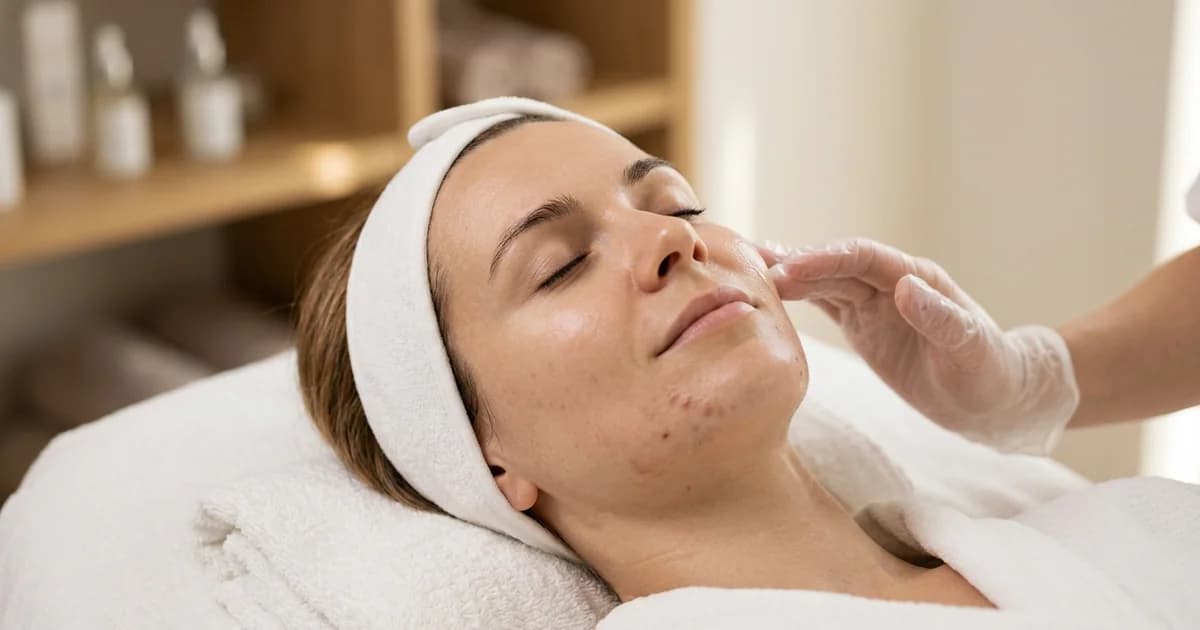
Breaking out at 25, 30 or 40+? Why aggressive cleansing often makes adult acne worse – and which treatment in Frankfurt really works.

Which facial in Frankfurt is right for you? Basic Facial, Classic Facial or HydroBoost – duration, prices and results compared directly.
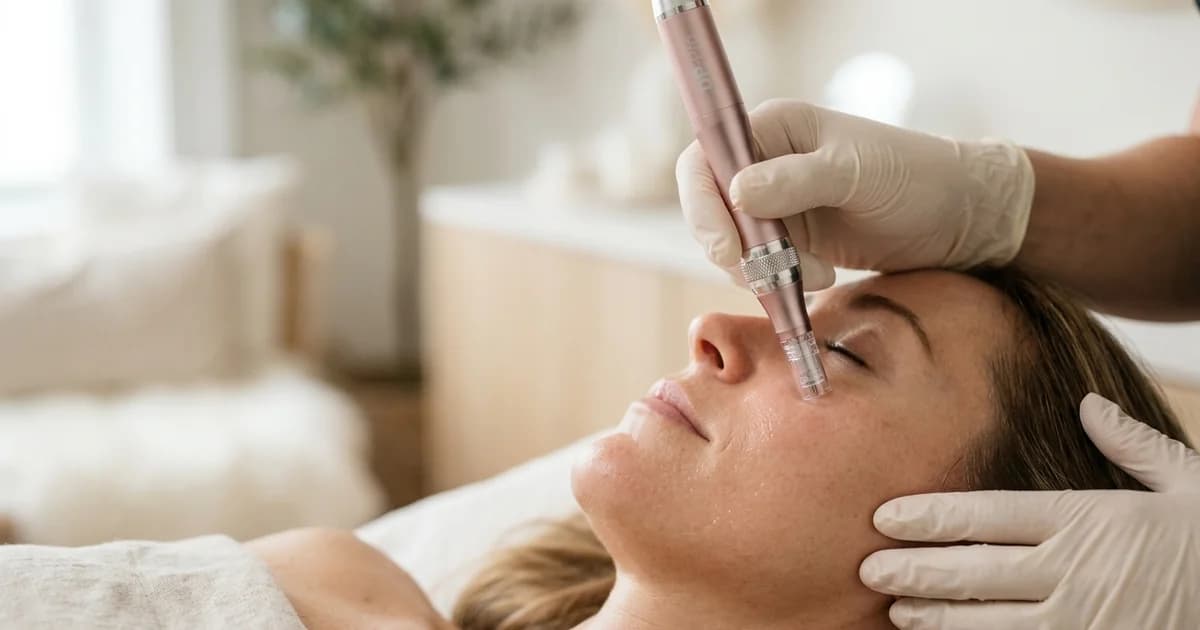
Microneedling in Frankfurt for large pores, acne scars, and dark spots: how it works, what to expect, number of sessions, downtime, and pricing at Sahel Beauty – honestly explained.

Dark spots in Frankfurt compared: Brightening Care, Bright Face, or Plasma Pen? Which treatment suits which skin type – an honest overview.
Newsletter
Be the first to receive updates about special offers, new treatments and beauty tips — straight to your inbox.
No third-party ads. Unsubscribe anytime.
We use cookies
We use essential cookies to operate this site. With your consent we also load Google Analytics (GA4) to understand how visitors use our site. You can withdraw consent at any time. Learn more in our Privacy Policy
Reviews
What our clients say
“Sehr freundliches und sympathisches Mädchen. Sie macht ihre Arbeit wirklich sehr gut und mit viel Sorgfalt. Man fühlt sich bei ihr wohl und gut aufgehoben. Ich bin sehr zufrieden und kann sie nur weiterempfehlen!”
— Gülay Sungurtekin
“Ich habe ein augenbrauenlifting mit Farbe gemacht und das Ergebnis ist toll geworden. Ich wurde bei jedem Schritt gefragt, ob mir die Form die Farbe etc. gefällt. Auch war Sie so herzlich und nett, man merkt, dass nicht aufgesetzt ist sondern wirklich von Innen kommt. Habe mich sehr wohl dort gefühlt.”
— Berivan Cinar
In Frankfurt · Europa-Allee 43 · Mon–Sat